
E-Coffee with Experts – Micah talks Legal Marketing


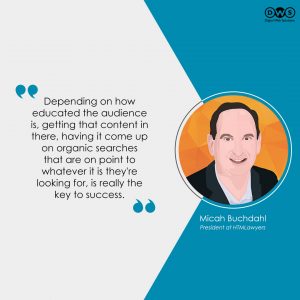
E-Coffee with the Experts — Micah Buchdahl
I did not know Dawood Bukhari, Chief of Partnerships for Digital Web Solutions before he reached out to invite me to his E-Coffee with Experts series. I did my usual legwork—looked him up, the company, saw a nice YouTube page that housed the conversations. Watched a few. Thought it would be cool to get the animated head shot of myself (although I like to think of myself as being somewhat animated to begin with. I said, sure I’ll do it.
We traded a few Q&A emails that translated into our nearly 40-minute Zoom discussion. I talked about what makes law marketing different from other industries. Covered SEO and digital platforms, infographics, online legal directories (are there even offline ones anymore?), press releases, podcasts, and Google Local Ad services. I covered an area that lawyers have struggled with—dealing with negative feedback over the Internet. And had the opportunity to talk about how I got into law marketing in the first place, provide a little background and recap some of the experiences from the “early years” of Internet marketing (remember the late 90s?).
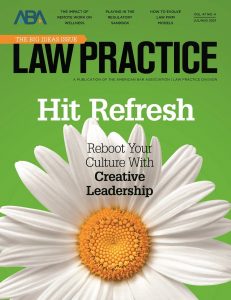 Yes, I went with the lowest hanging fruit of topics for my marketing column in the July/August 2021 issue of Law Practice,
 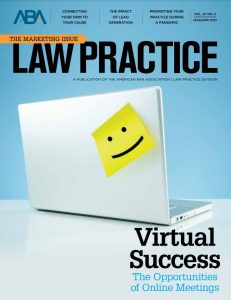 Earlier this week, I read an interesting article about how business travel will never fully return, because you can just go on Zoom, saving a ton of time and money. The story and premise all made sense until a quote at the end saying that the first time someone lost a sales pitch to a competitor that presented in-person—they’ll be right back on those airplanes. And I shook my head knowing that was so true.
 This is the time of year where I sit down with my marketing committees to review what successes we had with our 2020 marketing plan and budget. The same for many one on one discussions with individual attorneys on his/her business development plans. Well, I’m not taking the blame for any failures this year—just say “COVID” and try again. So in this month’s issue of the ABA’s
 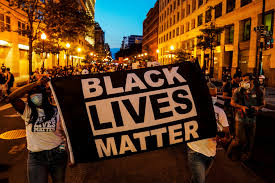 If you want to read a powerful piece about the hottest topic in law firm marketing circles this year, the lead feature in the December 2020 edition of the
 A favorite business development endeavor for many lawyers (me included) is involvement on a nonprofit board. It can be time-consuming, potentially expensive and sometimes frustrating, but it is a do-good activity that ideally is tied to an area of interest and passion. In my November/December 2020 marketing column in Law Practice, I write on
  My annual
  In the June/July 2020 issue of the
  In preparing a recent pitch presentation to in-house counsel for a law firm client, I kept steering the attorneys to point out what was unique about them. There was the generic fluff—great client service, accolades of all kinds, alternative fee arrangements, a wonderful team of lawyers and staff, brand name clients, blah, blah, blah—none of which really made them much different than any other solid, competent law firm. The differentiators are in the substantive work product, and often, in what you give back to the community and the profession. Not every law firm does pro bono, but they should. In the March/April 2020 issue of the ABA Law Practice Magazine, I delve into